
Experience the beauty of the Li River's ecology and understand the legacy of the thousand-year-old canal.
Following the "Waterborne China—Viewing Guangxi from the Water" media interview and research activity aboard a workboat, I experienced the "beautiful waterway" of the Li River up close. The green mountains and clear waters on both sides feature an excellent ecological environment, and one can also see flocks of sheep and various waterbirds.
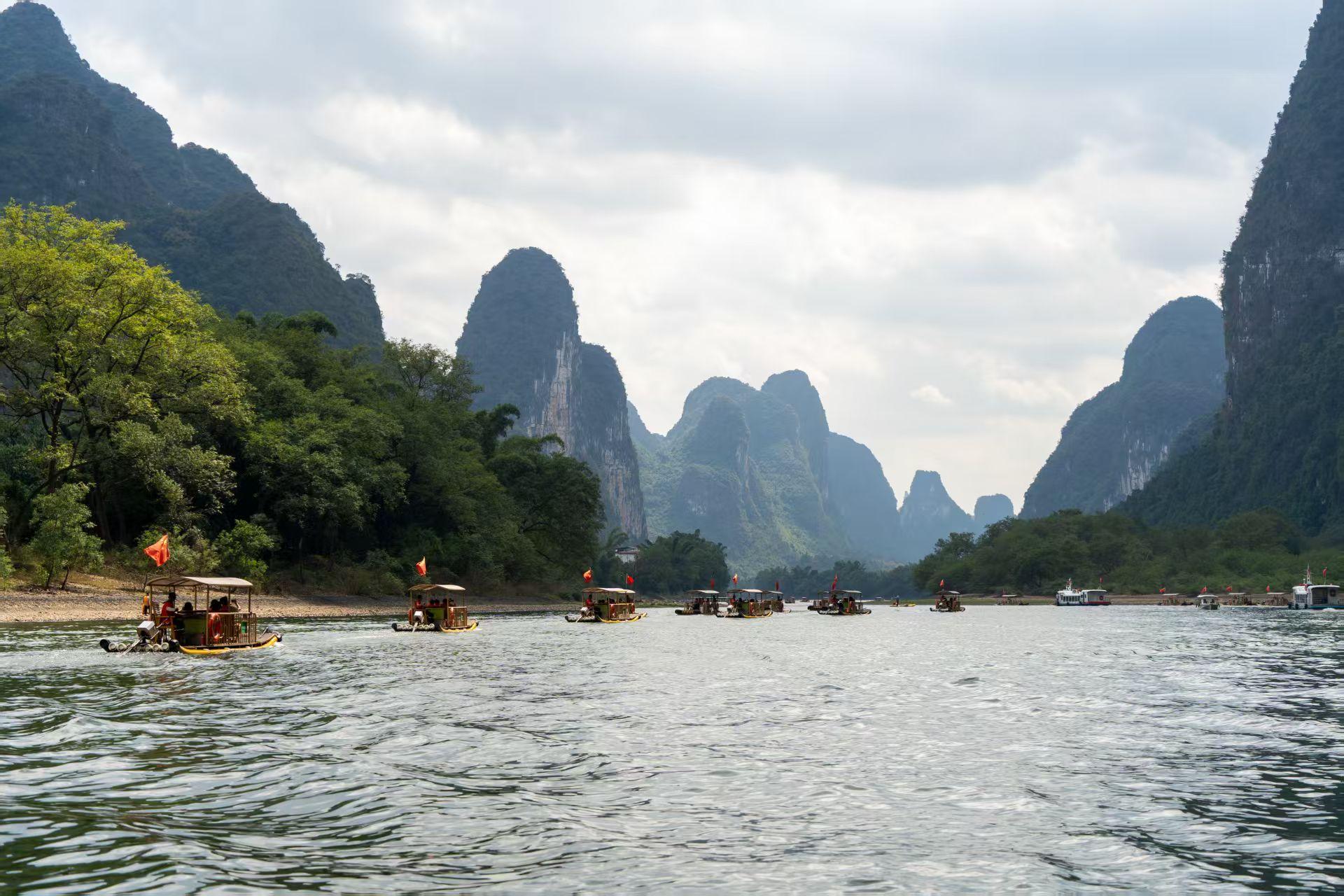
One detail that left a deep impression is that the bamboo rafts used by tourists have been fully converted from oil to electric power. This reduces noise and oil pollution, protects the ecology of the Li River, and allows visitors to enjoy the scenery in a quieter and more comfortable manner.
Looking along the journey, it increasingly feels that beautiful scenery cannot exist without dedicated protection. The construction of the "beautiful waterway" in the Li River has excellently integrated ecological protection, waterway construction, and tourism development. I hope this landscape remains as beautiful as it is, allowing more visitors to experience the unique charm of Guilin through the Li River.
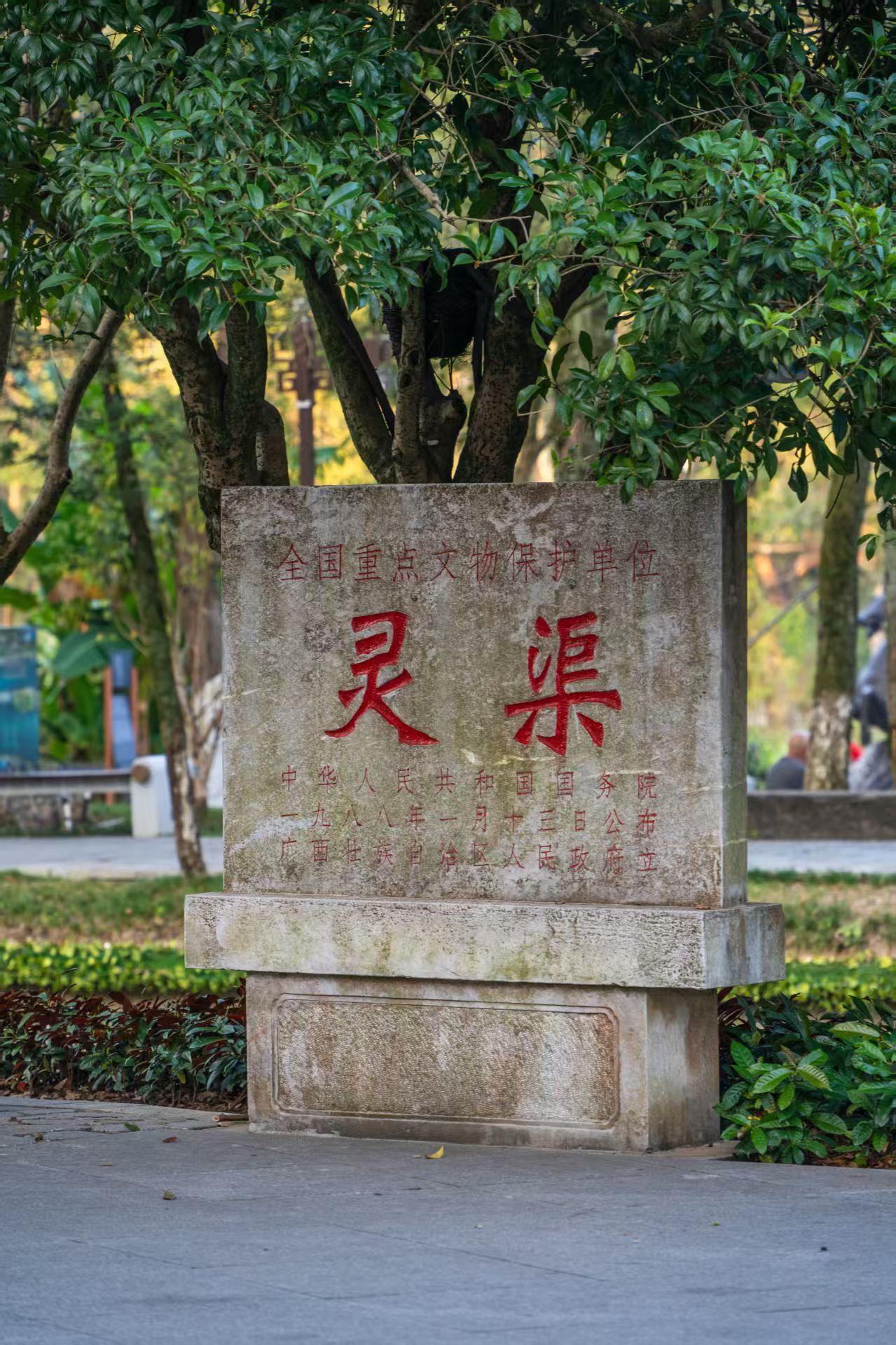
Stepping into the Lingqu Canal, I felt a deep appreciation for the water conservancy wisdom of the ancients over two thousand years ago. Excavated in 214 BC, the Lingqu Canal divides the Xiang River's water in a 3:7 ratio through a dividing structure, connecting the Xiang River and the Li River and linking the Yangtze and Pearl River systems. The canal’s floodgate system is an early example of lock technology, demonstrating the ingenuity of the ancients.
More than two thousand years later, the Lingqu Canal still plays an active role and bears witness to the development of China's waterway transportation.
Today, the Pinglu Canal has officially opened to navigation, establishing a sea-river transportation corridor connecting the Xijiang River and the Beibu Gulf. This has made sea access more convenient for Guangxi and the southwestern region. From the Lingqu Canal to the Pinglu Canal, Guangxi's water transport has been advancing continuously, injecting new momentum into regional economic development and the construction of the Western Land-Sea New Corridor.
Arriving at the Madao Hub of the Pinglu Canal, I stood at a high vantage point and was amazed at the gigantic ship locks before me. It is incredible to imagine that such a monumental project was built piece by piece by the builders carving through mountains and waterways.
According to reports, the Madao Hub houses the world's largest inland river water-saving ship lock, the tallest water head inland river water-saving ship lock, and the fastest valve opening and closing speed for inland river ship locks. With a three-level water-saving pool design, the shiplock achieves a water-saving rate of over 60%, solving the challenges of large gradient navigation while optimizing water resource utilization.
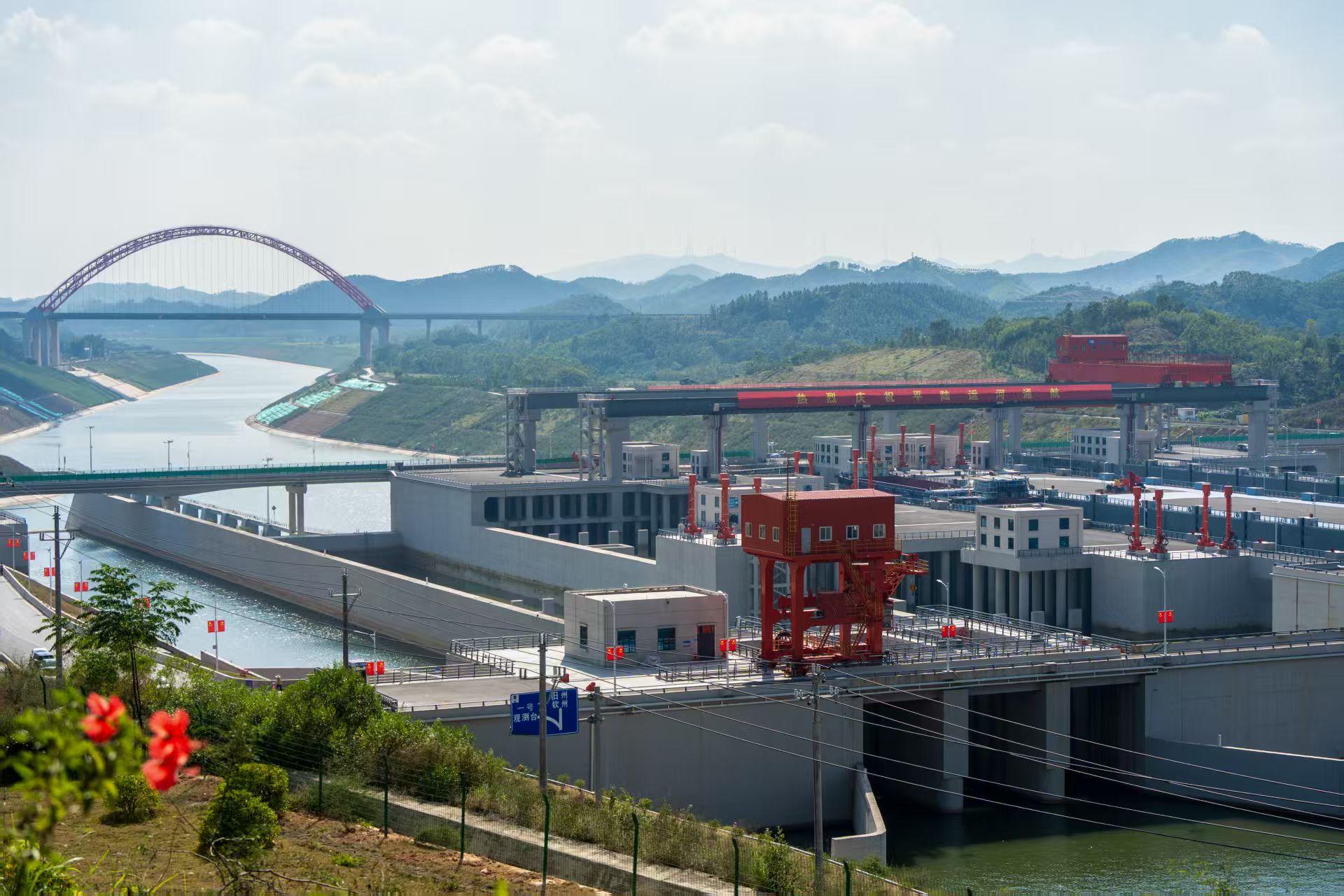
The significance of the Pinglu Canal lies not only in opening a new sea access route but also in bringing the southwest region closer to the sea, improving logistics efficiency, and injecting vitality into development. Witnessing such a monumental project firsthand truly showcases China's infrastructure strength and highlights how a canal can open broad opportunities for regional development.
At the Pinglu Canal Youth Hub, I participated in a themed interview called "Youth Hub Visits Youth." Five guests closely associated with the Pinglu Canal gathered to share their stories of dedication to this monumental project, giving me a deeper understanding of this significant endeavor.
The name "Youth Hub" holds significant meaning. In 1959, an older generation of young individuals built the Qinjiang Youth Water Lock. Today, a team of young engineers with an average age of 32 has taken up the baton, continuing to contribute to the construction of the Pinglu Canal.
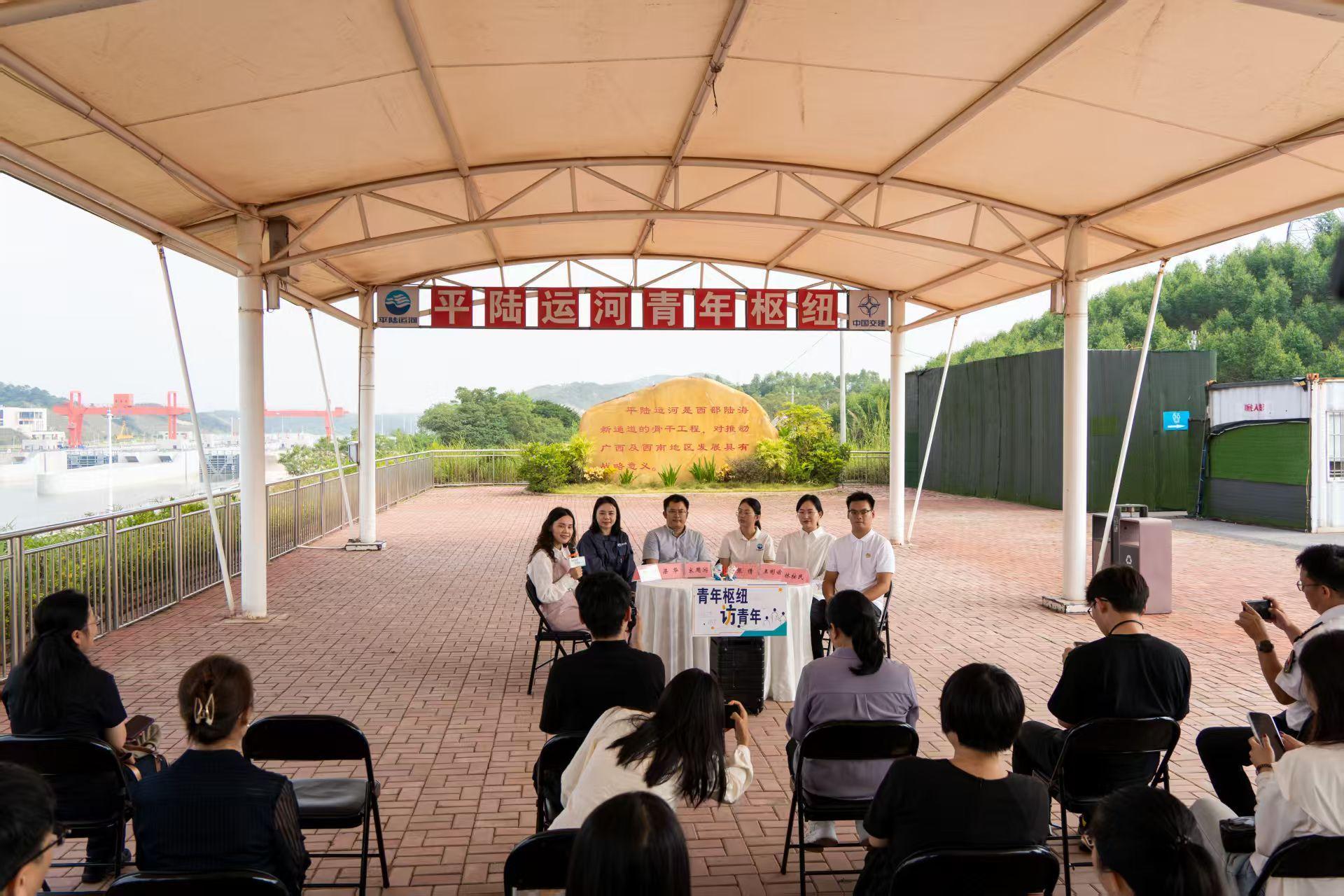
From the past to the present, what has changed are the times and construction conditions, but what remains unchanged is the responsibility of the youth. Every generation has its mission, and this youthful energy is now contributing to Guangxi's new journey of integrating waterways and reaching the sea.
-
Experience the beauty of the Li River's ecology and understand the legacy of the thousand-year-old canal.4357
-
A Green Tide Rising on the Shores of Bohai Bay—Decoding the Hebei Maritime Bureau's "Green Bohai Initiative" Practice Path4135
-
Multiple national key instruments make an appearance! The 9th International Diving, Salvage, and Underwater Engineering Equipment Exhibition opens in Qingdao.3246
-
Yangtze River Three Gorges cruises have surpassed 1 million passengers this year.3782
-
The survey of the coastal public corridor's Yongjiang crossing section in Ningbo has been completed.4277